In a world increasingly tethered to screens, the last thing anyone wants is more cables. Tangled wires, misplaced adapters, and fumbling in the dark to plug in your phone are common frustrations. Fortunately, Wireless Mobile Phone Chargers offer a sleek, convenient solution, revolutionizing how we power our devices. If you’ve ever wondered how these magical pads work, what types are available, or how to choose the perfect one for your lifestyle, you’re in the right place. This comprehensive guide will illuminate the world of wireless charging, helping you embrace a clutter-free and efficient power experience.
What is a Wireless Mobile Phone Charger and How Does it Work?
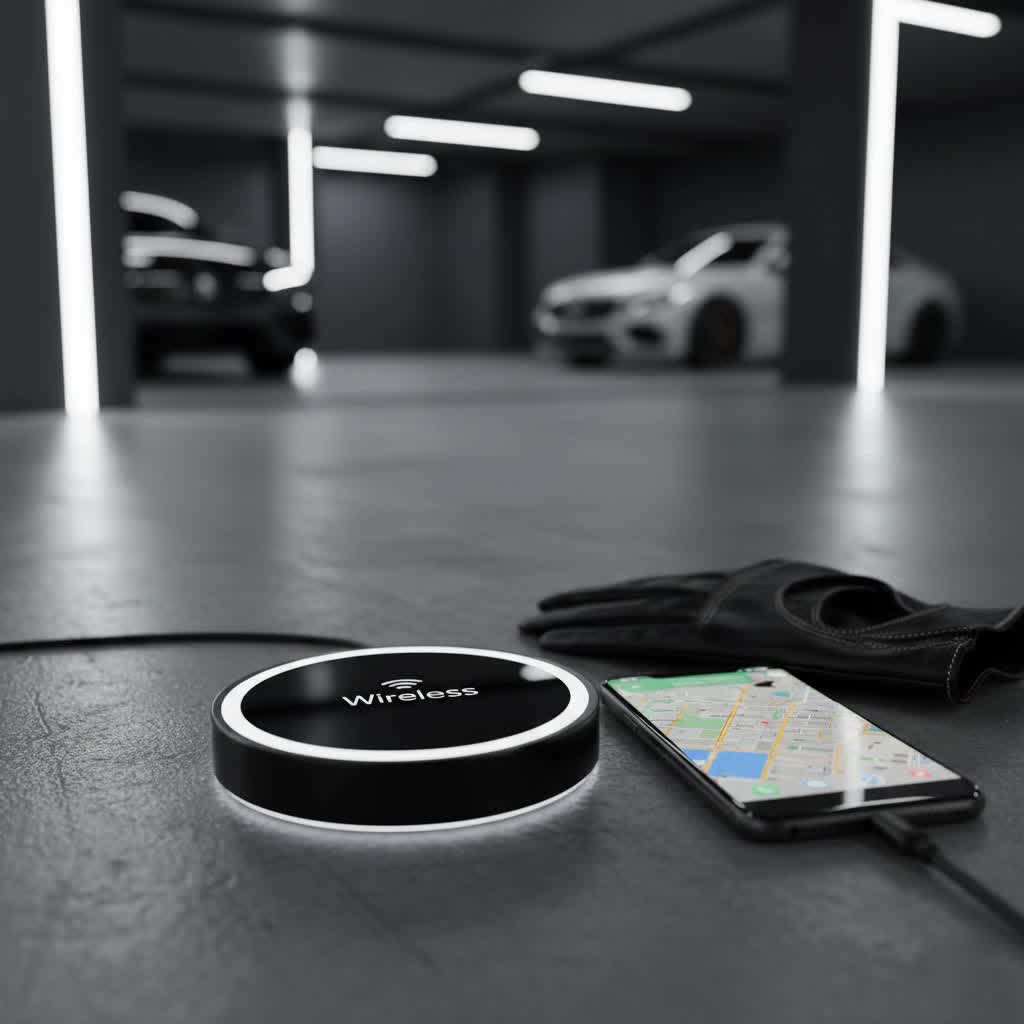
A wireless mobile phone charger operates on the principle of electromagnetic induction, a technology that has been around for years, even powering electric toothbrushes. Essentially, it allows electrical energy to transfer between two objects—your charger and your smartphone—without any physical connection.
The process involves two main components: a transmitting coil within the charging pad and a receiving coil embedded in your smartphone. When the charging pad is plugged into a power source, an electric current passes through its transmitting coil, generating an alternating electromagnetic field. When a compatible phone is placed on the pad, this magnetic field induces an electric current in the phone’s receiving coil. This induced current is then converted into direct current (DC) to charge the phone’s battery.
The most prevalent standard for wireless charging is Qi (pronounced “chee”), developed by the Wireless Power Consortium (WPC). Major smartphone manufacturers like Apple, Samsung, and Google widely adopt Qi, ensuring interoperability between devices and chargers. Newer standards like Qi2 build upon Qi, incorporating magnetic alignment features similar to Apple’s MagSafe, which improves charging efficiency and speed by ensuring perfect coil alignment.
Wireless charging offers significant advantages, primarily convenience and reduced cable clutter. Simply placing your phone on a pad is often all it takes to start charging, and it minimizes wear and tear on your phone’s charging port. However, it can sometimes be slower than wired charging, and the process naturally generates a small amount of heat, which, if excessive, could potentially impact battery longevity over time. Proper alignment is also crucial for optimal performance, especially with older Qi chargers.
Popular Types of Wireless Mobile Phone Chargers
The market for wireless chargers is diverse, offering various designs and power outputs to suit different needs and preferences. Understanding these classifications can help you pinpoint the best fit for your devices.
Chargers can be categorized by their physical design:
- Charging Pads: These are flat, often circular or square devices designed to sit on a surface like a desk or nightstand. They offer a simple “drop-and-charge” experience, blending seamlessly into your environment. Their main drawback can be the need for precise phone placement for efficient charging.
- Charging Stands: Unlike pads, stands prop your phone upright while charging. This design is ideal for desks or bedside tables, allowing you to easily view notifications, make video calls, or stream content without interrupting the charging process. Many stands support charging in both portrait and landscape orientations.
- Multi-Device Charging Stations: For users with multiple compatible gadgets, these stations are a game-changer. They can simultaneously charge a smartphone, smartwatch, and wireless earbuds, centralizing your charging needs and significantly reducing cable clutter. They tend to be bulkier and more expensive but offer unparalleled convenience for tech-heavy users.
- Wireless Car Chargers: Designed for on-the-go charging, these mount directly into your car’s air vent or dashboard, securely holding your phone while wirelessly powering it. They often feature automatic clamping mechanisms and provide easy access for navigation or hands-free calls.
- Portable Wireless Power Banks: Combining the convenience of a power bank with wireless charging technology, these allow you to charge your phone wirelessly even when away from a power outlet. Some even feature magnetic attachment for secure charging on the move.
Wireless chargers also vary by their power output, measured in watts (W), which directly impacts charging speed:
- 5W Chargers: These offer standard charging speeds, typically suitable for overnight charging where speed is not a critical factor.
- 7.5W Chargers: Often the standard for iPhones (prior to MagSafe/Qi2), providing a moderate charging speed.
- 10W Chargers: A common fast-charging standard for many Android smartphones.
- 15W Chargers: Delivering faster charging, this wattage is supported by MagSafe for newer iPhones (iPhone 12 and later) and high-end Android devices with Qi2 compatibility.
- 25W Chargers: The latest iPhones (such as the iPhone 16 or 17 series) can support even faster wireless charging speeds up to 25W, provided the charger and power adapter can deliver this output.
Leading brands in the wireless charging space include Anker, Samsung, Belkin, Spigen, Yootech, and INIU, each offering a range of products catering to different needs and budgets.
Top Wireless Mobile Phone Chargers: A Comparative Look
Choosing the “best” wireless charger depends heavily on individual needs, device compatibility, and budget. However, several brands and types consistently receive high marks for performance, design, and reliability.
For iPhone users, especially those with an iPhone 12 or newer, Apple’s MagSafe ecosystem and Qi2-certified chargers are often recommended. MagSafe chargers offer secure magnetic alignment, ensuring optimal charging efficiency and speeds up to 15W, with some newer iPhone models capable of reaching 25W. Popular options like the Anker MagGo Wireless Charging Station (Foldable 3-in-1) are excellent for charging multiple Apple devices simultaneously, offering 15W Qi2 charging alongside dedicated spots for AirPods and Apple Watch.
Android users also have a wealth of options. Chargers from brands like Samsung (e.g., their 15W Duo Pad) are often optimized for Samsung devices, sometimes including features like built-in fans to manage heat during fast charging. For universal Qi compatibility, the Anker PowerWave II Pad is a highly-rated, affordable option that intelligently switches between 5W, 7.5W, 10W, and 15W speeds.
For those prioritizing affordability and basic functionality, options like the Yootech 10W Max Fast Wireless Pad or the Anker 313 Wireless Charger Pad offer reliable charging at competitive price points. While they may not always include a power adapter, they provide a solid foundation for overnight charging.
If design and aesthetics are a priority, brands like Native Union with their Drop Wireless Charger or Courant with the Catch:1 offer stylish solutions featuring premium materials like fabric and Italian pebble-grain leather, often supporting up to 10W wireless charging.
For multi-device charging, beyond Anker’s offerings, the Belkin BoostCharge Pro 2-in-1 Wireless Charging Dock or various 3-in-1 stations from brands like Intoval provide comprehensive charging solutions for phones, smartwatches, and earbuds. These are particularly valuable for decluttering shared spaces or travel setups.
When evaluating any charger, consider not just its advertised wattage but also its compatibility with your specific phone model, its design (pad vs. stand), and any additional features like magnetic alignment (for Qi2/MagSafe), foreign object detection, and thermal management.
How to Choose the Right Wireless Mobile Phone Charger
Selecting the perfect wireless charger requires a thoughtful approach, balancing your specific needs with the technical specifications and features available.
Assess Your Needs
Start by considering what you need the charger for:
- Which devices do you need to charge? Is it just your smartphone, or also earbuds, a smartwatch, or multiple phones? This will help you decide between a single charging pad, a multi-device station, or even a car charger.
- How fast do you need to charge? If you’re primarily charging overnight, a 5W or 7.5W charger might suffice. For quick top-ups or to keep pace with heavy usage, a 10W or 15W (or even 25W for the newest iPhones) fast charger is preferable.
- What kind of design fits your space? Do you prefer a discreet pad for your nightstand, an upright stand for your desk to view notifications, or a portable option for travel?
|
Our Picks for the Best Wireless Charger in 2026
As an Amazon Associate I earn from qualifying purchases.
|
||
| Num | Product | Action |
|---|---|---|
| 1 | MagSafe Charger Stand 15W Magnetic Wireless Charger for iPhone 17/Air/16/15/14/13/12 Series (Onyx Black) |

|
| 2 | LỖI |
|
| 3 | Yootech Wireless Charger,10W Max Wireless Charging Pad Compatible with iPhone 17/17 Pro/17 Pro Max/Air/16/15/14/13/SE 2022/12/11,Samsung Galaxy S25/S24/S23,for AirPods Pro 3(No AC Adapter) |
|
| 4 | Apple MagSafe Charger (1 m): Wireless Charger with Fast-Charging Capability |
|
| 5 | INIU Wireless Charger, 15W Fast Qi Certified Wireless Charging Station with Sleep-Friendly Adaptive Light Compatible with iPhone 17 16 15 14 13 12 Pro Max Samsung Galaxy S25 S24 S23 Note 20 Google etc |
|
| 6 | Fast Wireless Charger, NANAMI 15W Qi Certified Wireless Charging Stand Compatible iPhone 17/17 Air/16/15/15 Pro/15 Plus/15 Pro Max/14/13/12, for Samsung Galaxy S25/S24/S23/S22/S21 and Qi-Enabled Phone |
|
| 7 | TOZO 2025 W1 New Anti-Slip Wireless Charger 15W Max Fast Wireless Charging Pad Compatible with iPhone 17/16/16 Plus/16 Pro Max /15/14/13/SE Series, Samsung Galaxy S25/S24/S23 Series, Black |
|
| 8 | Samsung Galaxy S25 Ultra Wireless Charging Pad for Galaxy S25 S24 S23 S22 S21 S20 Ultra FE Z Fold Flip 7 6,15W Magnetic Wireless Magsafe Charger Station for iPhone 17 16 15 14 Pro Max Plus |
|
| 9 | TRKOY for Magsafe Portable Charger, 5000mAh Wireless Magnetic Power Bank with USB C Charging,Travel Essential for Magsafe Battery Pack Compatible with iPhone 17/16/15/14/13/12 Series, White |
|
| 10 | 3 in 1 Charging Station for iPhone, Wireless Charger for iPhone 17 16e 16 15 14 13 12 11 X Pro Max & Apple Watch - Wireless Charging Station for AirPods 4 3 Pro |
|
Understand Charging Standards and Wattage
The foundation of wireless charging is compatibility and power delivery:
- Compatibility: Ensure your phone supports wireless charging. Most modern smartphones (iPhone 8 and later, Samsung Galaxy S6 and later, etc.) are Qi-enabled. For iPhones 12 and newer, look for MagSafe or Qi2 certification for optimal magnetic alignment and charging speeds.
- Wattage: Match the charger’s wattage to your device’s maximum supported wireless charging speed. A 15W charger won’t charge an iPhone 8 faster than 7.5W, but it will be future-proof for newer devices. Remember that the power adapter supplying the charger is crucial; for fast charging, pair your wireless charger with a USB-C Power Delivery (PD) adapter that supports at least 18W or higher. An underpowered adapter will slow down your charging speed.
Prioritize Reputable Brands and Safety Features
Your device is valuable, so choose accessories wisely:
- Trusted Brands: Stick to well-known and reputable brands like Anker, Belkin, Samsung, and Apple. These companies invest in research, development, and stringent testing, ensuring product quality and safety. Avoid generic or uncertified chargers, which may not adhere to safety standards.
- Safety Features: A high-quality wireless charger should include essential safety protections:
- Overheat Protection: Prevents the charger and your phone from reaching dangerously high temperatures, protecting battery health and preventing damage.
- Foreign Object Detection (FOD): Stops charging if metal objects (like keys or coins) are placed between the phone and the charger, preventing energy waste and potential overheating risks.
- Overcharge Protection: Stops power delivery once your phone’s battery is full, preventing unnecessary stress on the battery.
- Certifications: Look for certifications like Qi (from the Wireless Power Consortium) and safety marks like UL or FCC, which indicate that the product meets industry safety standards.
Consider Design and Additional Features
Beyond the basics, certain features can enhance your experience:
- Magnetic Alignment: For iPhones 12 and later, or Android devices supporting Qi2, magnetic alignment ensures your phone snaps into the perfect charging position every time, maximizing efficiency and speed.
- Case Compatibility: Most wireless chargers work through thin, non-metallic phone cases. However, very thick or metal cases can interfere with charging. Check if your preferred charger is “case-friendly” or be prepared to remove your case during charging.
- Included Accessories: Some chargers come with a power adapter and cable, while others require you to supply your own. Factor this into your budget and convenience considerations.
- LED Indicators: While useful, some charging indicators can be bright in a dark room. Look for chargers with dimmable or automatic turn-off LEDs if you plan to use them on a nightstand.
Tips for Safe and Efficient Wireless Mobile Phone Charging
To maximize the lifespan of your devices and ensure a safe charging environment, follow these practical tips:
- Ensure Proper Placement: Always place your phone centrally on the charging pad to ensure optimal coil alignment. Misalignment leads to inefficient energy transfer and can generate excess heat.
- Keep the Charging Area Clear: Avoid placing any metal objects, such as keys, coins, or credit cards, between your phone and the charging pad. These can interfere with the electromagnetic field, prevent charging, and cause dangerous overheating.
- Manage Phone Cases: While most thin, non-metallic cases are compatible, very thick or metallic cases can hinder charging efficiency and increase heat buildup. Consider removing such cases during charging, especially if you notice excessive warmth.
- Choose a Suitable Environment: Charge your devices in a cool, well-ventilated area. Avoid direct sunlight, enclosed spaces, or soft surfaces like beds or couches, which can trap heat and impede proper airflow. Excessive heat is detrimental to battery health.
- Use the Right Power Adapter: Always use the power adapter and cable recommended by the charger manufacturer, or a certified high-quality alternative that matches the charger’s wattage requirements. Using an underpowered adapter will result in slower charging, while non-certified adapters can pose safety risks.
- Monitor for Excessive Heat: It’s normal for both the phone and charger to feel slightly warm during wireless charging. However, if either becomes uncomfortably hot to touch, immediately remove the phone from the charger and allow both to cool down. Persistent overheating could indicate a faulty charger or improper usage.
- Inspect Regularly: Periodically check your wireless charger, cables, and power adapter for any signs of damage, such as fraying, cracks, or exposed wires. Replace any damaged components promptly.
- Avoid Overuse While Charging: Using your phone intensively for gaming or video streaming while it’s wirelessly charging can generate additional heat, stressing the battery. If possible, limit heavy usage during charging cycles.
“Wireless charging is incredibly convenient, but like any technology, safe practices are key to ensuring longevity for your devices and peace of mind.”
Conclusion
Wireless mobile phone chargers offer a compelling blend of convenience, modern aesthetics, and increasingly faster charging speeds, making them an indispensable accessory in our digital lives. By understanding the underlying technology, exploring the diverse range of available types, and carefully considering factors like compatibility, wattage, and safety features, you can confidently select a charger that perfectly aligns with your needs. Embracing smart charging habits, such as proper placement and environmental awareness, will ensure your wireless charging experience is both efficient and safe.
Are you ready to cut the cord and experience the seamless simplicity of wireless power?
Frequently Asked Questions
Is wireless charging bad for my phone battery?
Generally, no. Modern wireless chargers and smartphones are designed with built-in safety features like thermal management and overcharge protection to prevent battery damage. However, consistent excessive heat can degrade battery health over time, so ensure your charging environment is cool and well-ventilated.
Can I use a wireless charger with any phone case?
Most wireless chargers work effectively through thin, non-metallic phone cases. However, very thick cases (over 3-5mm) or cases containing metal, magnets (unless MagSafe/Qi2 compatible), or pop sockets can interfere with the charging process, reduce efficiency, or even cause overheating. It’s often best to remove such cases for optimal charging.
Why does my wireless charger get hot?
Some heat generation during wireless charging is normal due to the energy conversion process (electromagnetic induction is not 100% efficient). Excessive heat, however, can result from improper phone alignment, the presence of foreign metal objects, a thick phone case, or poor ventilation around the charger.
Is wireless charging slower than wired charging?
While wireless charging speeds have significantly improved, wired charging often remains faster, especially with high-wattage fast chargers. For instance, a 25W wired charger can typically charge a phone quicker than most 15W wireless chargers. However, newer Qi2 and MagSafe chargers are closing this gap, offering comparable speeds for compatible devices.
