Tired of fumbling with tangled cables and worn-out charging ports? Wireless charging for Android has revolutionized how we power our devices, offering unparalleled convenience and a clutter-free experience. But with a myriad of options flooding the market, how do you choose the best wireless charger that perfectly suits your Android smartphone? This comprehensive guide will demystify wireless charging technology, explore the various types of chargers available, highlight key considerations for making an informed purchase, and provide essential tips to maximize your charging experience. Let’s dive into the fascinating world of effortless power.
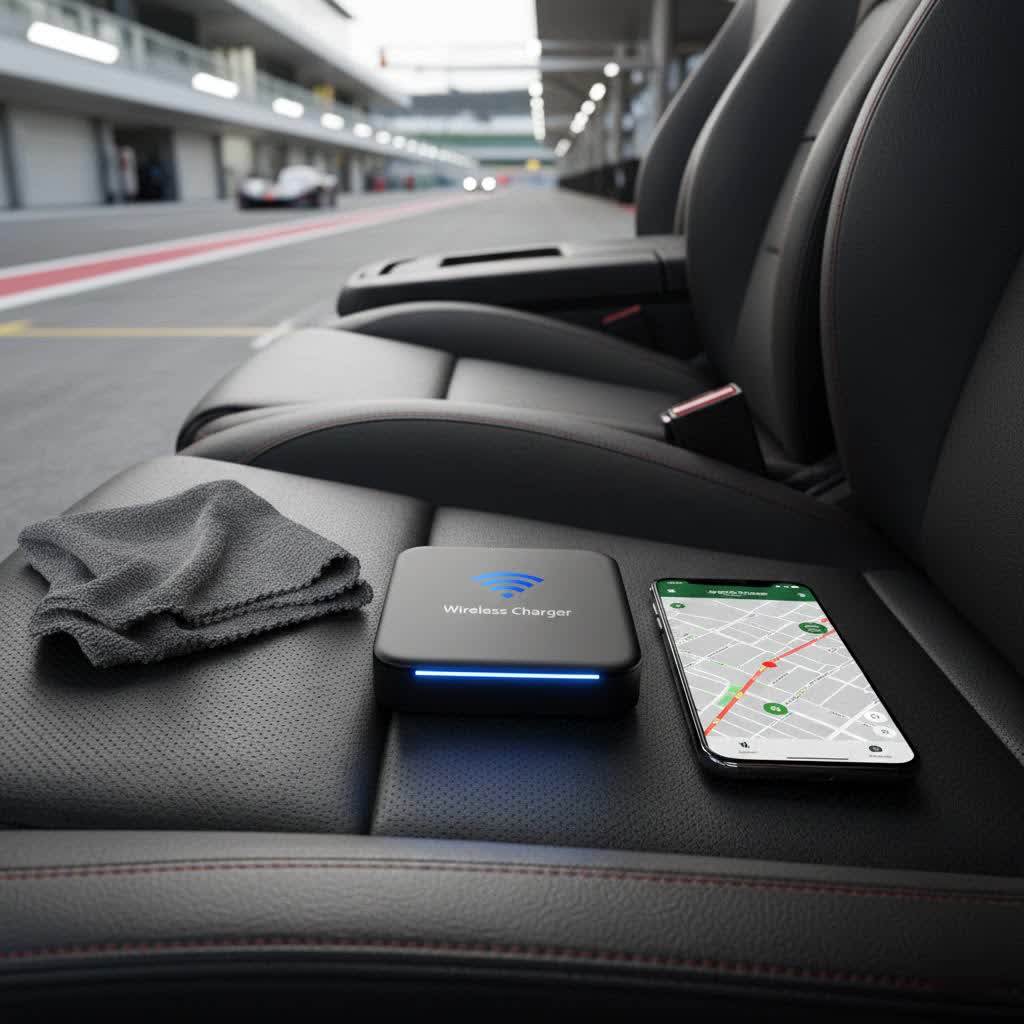
Understanding Wireless Charging: How It Works and Why Android Users Love It
Wireless charging, often referred to as inductive charging, powers your Android device without a direct physical connection. It operates on the principle of electromagnetic induction, transferring energy between two coils—one in the charging pad and one in your phone. When your phone is placed on a compatible charger, an alternating magnetic field is created, inducing an electric current in your phone’s receiving coil, which then charges the battery.
The Qi Standard: The Universal Language
|
Our Picks for the Best Wireless Charger in 2026
As an Amazon Associate I earn from qualifying purchases.
|
||
| Num | Product | Action |
|---|---|---|
| 1 | Fast Wireless Charger, NANAMI 15W Qi Certified Wireless Charging Stand Compatible iPhone 17/17 Air/16/15/15 Pro/15 Plus/15 Pro Max/14/13/12, for Samsung Galaxy S25/S24/S23/S22/S21 and Qi-Enabled Phone |

|
| 2 | 3 in 1 Charging Station for iPhone, Wireless Charger for iPhone 17 16e 16 15 14 13 12 11 X Pro Max & Apple Watch - Wireless Charging Station for AirPods 4 3 Pro |
|
| 3 | TRKOY for Magsafe Portable Charger, 5000mAh Wireless Magnetic Power Bank with USB C Charging,Travel Essential for Magsafe Battery Pack Compatible with iPhone 17/16/15/14/13/12 Series, White |
|
| 4 | INIU Wireless Charger, 15W Fast Qi Certified Wireless Charging Station with Sleep-Friendly Adaptive Light Compatible with iPhone 17 16 15 14 13 12 Pro Max Samsung Galaxy S25 S24 S23 Note 20 Google etc |
|
| 5 | LỖI |
|
| 6 | TOZO 2025 W1 New Anti-Slip Wireless Charger 15W Max Fast Wireless Charging Pad Compatible with iPhone 17/16/16 Plus/16 Pro Max /15/14/13/SE Series, Samsung Galaxy S25/S24/S23 Series, Black |
|
| 7 | Samsung Galaxy S25 Ultra Wireless Charging Pad for Galaxy S25 S24 S23 S22 S21 S20 Ultra FE Z Fold Flip 7 6,15W Magnetic Wireless Magsafe Charger Station for iPhone 17 16 15 14 Pro Max Plus |
|
| 8 | MagSafe Charger Stand 15W Magnetic Wireless Charger for iPhone 17/Air/16/15/14/13/12 Series (Onyx Black) |
|
| 9 | Apple MagSafe Charger (1 m): Wireless Charger with Fast-Charging Capability |
|
| 10 | Yootech Wireless Charger,10W Max Wireless Charging Pad Compatible with iPhone 17/17 Pro/17 Pro Max/Air/16/15/14/13/SE 2022/12/11,Samsung Galaxy S25/S24/S23,for AirPods Pro 3(No AC Adapter) |
|
The vast majority of modern Android phones utilize the Qi (pronounced “chee”) wireless charging standard, developed by the Wireless Power Consortium (WPC). This open standard ensures broad compatibility, meaning any Qi-certified Android phone can typically charge on any Qi-certified charging pad, regardless of the brand. This universal adoption has made wireless charging a seamless addition to daily life for countless Android users.
The Qi2 Evolution: Magnetic Precision for Android
While the original Qi standard brought immense convenience, precise alignment of your phone on the charging pad was often crucial for optimal charging. The introduction of Qi2 (Magnetic Power Profile) marks a significant leap forward, incorporating magnetic alignment technology similar to Apple’s MagSafe. For compatible Android devices, Qi2 ensures perfect coil alignment every time, reducing energy loss, improving charging efficiency, and generating less heat. This magnetic snap-on feature not only enhances charging reliability but also opens up possibilities for a new generation of accessories like magnetic stands and car mounts. While Qi2 officially supports 15W charging, some newer Android devices are beginning to push even higher, with select models supporting up to 25W with the latest Qi2.2 standard.
Pros and Cons for Android Users
Wireless charging offers distinct advantages for Android users:
- Unmatched Convenience: Simply place your phone on a pad or stand, and it starts charging. No more plugging and unplugging.
- Reduced Wear and Tear: Eliminates constant stress on your phone’s charging port, prolonging its lifespan.
- Clutter-Free Environment: Say goodbye to messy cables on your desk or nightstand.
- Enhanced Aesthetics: Many wireless chargers boast sleek, minimalist designs that complement any space.
However, it’s also important to acknowledge some drawbacks:
- Slower Charging Speeds: While improving rapidly, wireless charging is generally still slower than high-wattage wired charging.
- Heat Generation: The energy transfer process generates some heat, which can, over time, subtly impact battery health. Many advanced chargers now include cooling fans to mitigate this.
- Lower Efficiency: Energy conversion is less efficient than wired charging, leading to some energy loss.
- Limited Mobility: Your device must remain on the charging surface to power up, limiting usage during charging compared to a long cable.
- Higher Cost: Quality wireless chargers, especially those with advanced features or multi-device capabilities, can be more expensive than basic wired chargers.
Exploring Types of Wireless Chargers for Android Devices
The market offers a diverse range of wireless chargers, each designed to fit different needs and lifestyles. Understanding these types will help you choose the ideal solution for your Android ecosystem.
-
Charging Pads: These are the most common type, featuring a flat surface where you place your phone. They are discreet and perfect for nightstands or any flat surface where you want a clean charging solution. Simple and effective, they offer a straightforward way to top up your Android device.
-
Charging Stands: Ideal for desks or kitchens, charging stands hold your Android phone upright, often at an angle. This allows you to easily view notifications, watch videos, or participate in video calls while your device charges. Many stands support both portrait and landscape orientations.
-
Multi-Device Docks: For Android users with multiple wireless-chargeable gadgets (e.g., phone, wireless earbuds, smartwatches), multi-device docks are a game-changer. These integrated stations provide dedicated spots to charge several devices simultaneously, keeping all your essentials powered up and organized in one central location.
-
Portable Wireless Chargers (Power Banks): Combining the convenience of wireless charging with the flexibility of a power bank, these devices allow you to charge your Android phone wirelessly on the go. They are perfect for travel, commutes, or whenever an outlet isn’t readily available, offering a cable-free power boost anywhere.
-
Specialty Chargers: Beyond the common types, you’ll find innovative solutions like wireless car mount chargers (for hands-free navigation and charging) and even integrated furniture chargers that blend seamlessly into your desk or nightstand for a truly invisible charging experience.
Top Wireless Chargers for Android: A Glimpse at Leading Options
While product availability and features constantly evolve, reputable brands consistently deliver high-quality wireless chargers tailored for Android devices. When looking for the best, consider these categories and features:
-
High-Speed Qi2 Chargers: With the advent of Qi2, look for chargers from brands like Anker, Belkin, and ESR that offer 15W Qi2 output. These provide faster charging speeds and the benefit of magnetic alignment, ensuring your Android phone snaps into the perfect charging position every time. Some cutting-edge chargers, particularly those for Google Pixel phones, are pushing up to 25W with the latest Qi2.2 standard, offering incredibly rapid wireless power delivery.
-
Multi-Device Solutions: Brands such as Samsung and Belkin offer excellent multi-device charging pads that can simultaneously power your Android phone, Galaxy Watch, and earbuds. Look for designs that accommodate your specific devices and offer sufficient wattage for each. The Samsung Wireless Charger Duo is a popular choice for its dual-device capabilities.
-
Budget-Friendly Picks: You don’t always need to spend a fortune for reliable wireless charging. Brands like TOZO, Iniu, and Yootech offer effective Qi-certified charging pads and stands at competitive prices, typically providing 10W output for most Android phones. These are great for everyday charging without breaking the bank.
-
Premium & Design-Focused Chargers: For those who value aesthetics and advanced features, brands like Courant and Native Union offer chargers with luxurious finishes like leather and sleek aluminum. These often provide standard Qi charging speeds (up to 10W) but prioritize design and integration into your home or office decor.
Your Guide to Choosing the Best Wireless Charger for Your Android
Selecting the perfect wireless charger for your Android phone involves more than just picking the first option you see. A few key factors will ensure you get the most out of your purchase.
Verify Your Android Device’s Compatibility
Before anything else, confirm that your Android phone supports wireless charging. Most flagship and many mid-range Android devices from Samsung, Google Pixel, OnePlus, Xiaomi, and LG released in recent years are Qi-enabled. You can check your phone’s official specifications on the manufacturer’s website or its user manual. If your phone supports Qi2, opting for a Qi2-certified charger will unlock the benefits of magnetic alignment and potentially faster charging.
Prioritize Charging Speed and Wattage
Wireless charging speeds vary significantly. While 5W is standard, many Android phones support faster charging at 10W or 15W. Some newer Android models, especially those compatible with Qi2.2, can even reach 25W. To benefit from faster wireless charging, ensure that:
- Your phone supports the higher wattage: A 15W charger won’t charge your phone at 15W if your device only accepts 10W wirelessly.
- The charger provides the desired wattage: Look for chargers explicitly stating 10W, 15W, or 25W output for Android.
- You use a suitable power adapter: The wireless charger itself needs enough power input to deliver its maximum output. A power adapter with at least 18W, preferably a USB-C Power Delivery (PD) compatible one, is often required for fast wireless charging.
Consider Design and Form Factor
Think about where and how you’ll primarily use your wireless charger:
- Flat pads are discreet and ideal for nightstands or communal areas where you simply drop your phone.
- Charging stands are excellent for desks, allowing you to easily interact with your phone while it charges.
- Multi-device docks are perfect for decluttering and charging all your everyday carry items in one spot.
- Portable power banks are a must-have for frequent travelers or those constantly on the move.
Look for Essential Safety Features
A quality wireless charger should incorporate several safety mechanisms to protect both your device and your home:
- Overheat Protection: Prevents the charger and your phone from getting excessively hot during the charging process.
- Foreign Object Detection (FOD): Stops charging if metal objects (like keys or coins) are placed on the pad, preventing potential hazards.
- Overcharge Protection: Prevents battery damage by regulating power flow once your phone reaches full charge.
- Short-Circuit Prevention: Safeguards against electrical damage.
Always choose chargers from reputable brands that comply with international safety standards (e.g., CE, FCC, RoHS).
Choose a Reputable Brand
Investing in a wireless charger from an established and trusted brand is crucial. Companies like Anker, Samsung, Belkin, Google, and ESR have a track record of producing reliable, safe, and efficient charging solutions. These brands often offer better warranties and customer support, providing peace of mind with your purchase. Avoid generic, unbranded chargers that may lack critical safety features or provide inconsistent performance.
Don’t Forget the Power Adapter and Cable
Many wireless chargers, especially pads, do not come with a wall adapter, and sometimes even the USB cable is separate. For optimal performance, particularly fast charging, you will need a powerful wall adapter—typically an 18W or higher USB-C Power Delivery (PD) adapter is recommended. Using an underpowered adapter can significantly slow down charging speeds. Also, be mindful of your phone case; cases thicker than 5mm or those with metal plates can interfere with wireless charging.
Maximize Your Android Wireless Charging Experience: Tips and Tricks
Once you’ve chosen your ideal wireless charger, follow these tips to ensure a safe, efficient, and enjoyable charging experience for your Android device:
- Optimal Placement: For standard Qi chargers, ensure your Android phone is centered precisely on the charging pad to align the coils for maximum efficiency. With Qi2 chargers, the magnetic alignment simplifies this, automatically snapping your phone into the correct position.
- Case Considerations: While many wireless chargers work through standard phone cases, very thick cases (over 5mm) or those with metal plates, magnets (unless for Qi2/MagSafe), or pop sockets can impede charging. Remove such cases for the best results.
- Heat Management: Wireless charging generates some heat. To minimize its impact on battery health, place your wireless charger in a cool, well-ventilated area, away from direct sunlight. If your charger has a built-in fan, ensure it’s not obstructed.
- Firmware Updates: Keep your Android phone’s operating system and, if applicable, your wireless charger’s firmware updated. Manufacturers often release updates that improve charging efficiency, speed, and safety.
- Cleanliness: Regularly wipe down the charging surface of your wireless charger and the back of your phone to ensure there’s no dust or debris obstructing the connection.
Frequently Asked Questions About Android Wireless Chargers
What is Qi2, and is it important for Android users?
Qi2 is the latest evolution of the Qi wireless charging standard, featuring a Magnetic Power Profile (MPP) that uses magnets to ensure perfect alignment between the charger and your Android phone. It is important for Android users because it improves charging efficiency, reduces heat, and enables faster 15W charging with a more reliable connection, and even up to 25W with Qi2.2 for compatible devices.
Will a wireless charger damage my Android phone’s battery?
While all forms of charging cause some wear to a battery over time, wireless charging is not inherently more damaging than wired charging. It can generate slightly more heat, which can contribute to battery degradation in the long term. However, reputable wireless chargers include safety features like overheat protection to mitigate this. Using a quality charger and keeping your phone in a cool environment will help protect battery health.
Can I use any wireless charger with my Android phone?
Most modern Android phones are compatible with Qi-certified wireless chargers. If both your phone and the charger have the Qi logo, they should work together. However, for optimal speed and magnetic alignment benefits, it’s best to choose a Qi2-certified charger if your Android phone supports Qi2. Always check your phone’s specifications for compatibility and maximum supported wattage.
How fast is wireless charging compared to wired charging for Android?
Generally, high-wattage wired charging (e.g., 60W or higher) is still faster than wireless charging for Android. While modern wireless chargers can deliver 10W, 15W, or even 25W (with Qi2.2), wired chargers often push much higher wattages, leading to quicker charge times. However, for convenience and overnight charging, wireless charging speeds are perfectly adequate for most users.
Do I need a special case for wireless charging on Android?
You typically don’t need a “special” case, but certain types can interfere with wireless charging. Cases that are excessively thick (over 5mm), contain metal components, or have large attachments (like pop sockets) can block the inductive transfer. For Qi2-compatible Android phones, a magnetic case can enhance the connection and provide the full benefits of magnetic alignment. Always ensure your case is wireless charging friendly.
