In today’s fast-paced world, staying connected is non-negotiable, and your car often doubles as your mobile command center. The constant struggle of tangled cables and dwindling phone battery on the road is a familiar frustration. Enter the magnetic wireless car charger – a game-changer designed to simplify your charging experience and keep your device powered and perfectly positioned. This innovative accessory combines the convenience of wireless charging with the secure hold of a magnetic mount, transforming your daily commute or road trip into a smoother, more organized journey. Let’s dive into everything you need to know about these essential car gadgets to help you choose the best one for your needs.
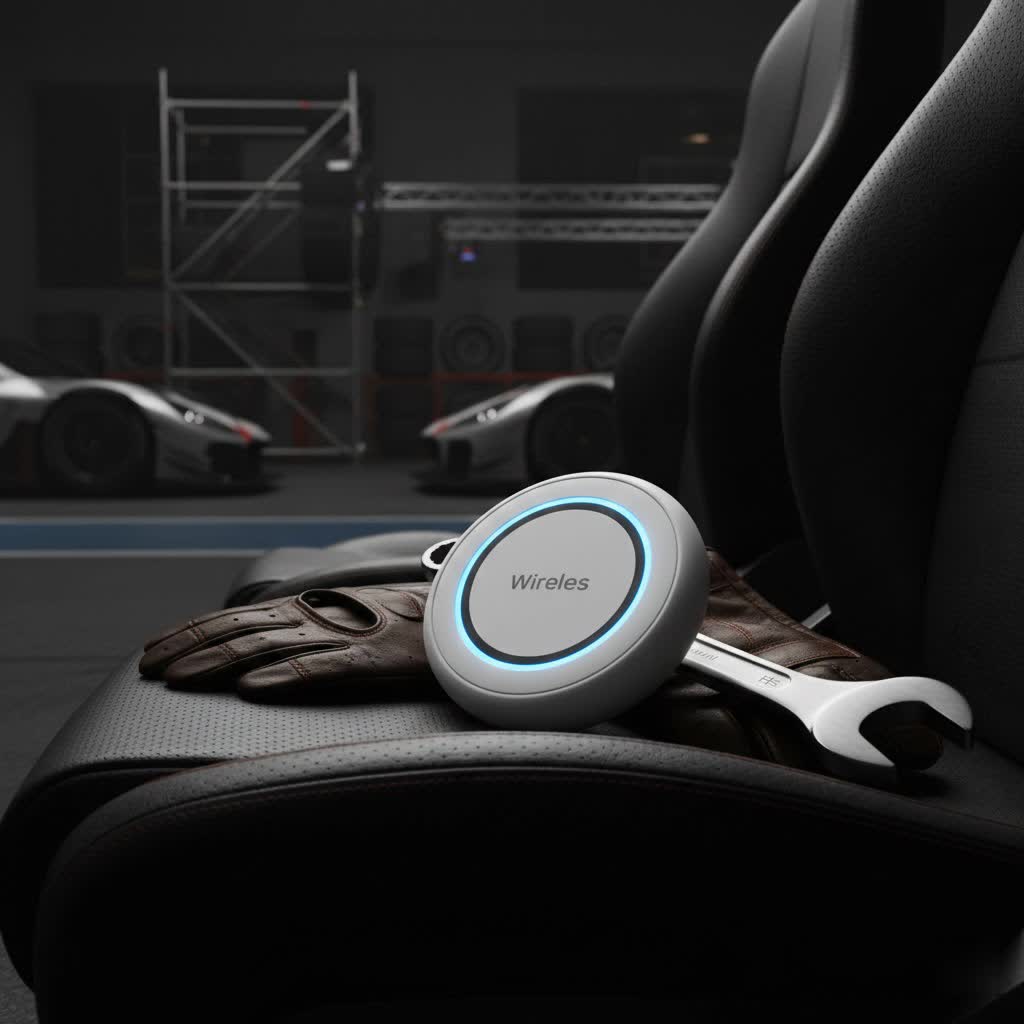
What is a Magnetic Wireless Car Charger and How Does It Work?
A magnetic wireless car charger is a device that simultaneously holds your smartphone securely in your vehicle and charges it without the need for a physical cable connection to your phone. At its core, this technology relies on the principle of electromagnetic induction, a concept first demonstrated by Nikola Tesla.
Here’s a simplified breakdown of how it operates:
- Transmitter Coil: The car charger contains a transmitter coil. When electricity flows through this coil, it generates an electromagnetic field.
- Receiver Coil: Your smartphone, if it supports wireless charging, has a built-in receiver coil.
- Energy Transfer: When your phone is placed in close proximity to the charger, the electromagnetic field from the transmitter coil induces an electric current in your phone’s receiver coil. This current is then converted into direct current to charge your phone’s battery.
- Magnetic Alignment: The “magnetic” aspect comes from integrated magnets in the charger and often in the phone itself (like Apple’s MagSafe technology) or a compatible case. These magnets ensure perfect alignment between the charger’s transmitter coil and your phone’s receiver coil, which is crucial for efficient power transfer and a stable hold, even on bumpy roads.
The most widely adopted standard for wireless charging is Qi (pronounced “chee”). Newer devices, particularly iPhones, utilize MagSafe technology, which is essentially Apple’s proprietary magnetic Qi implementation, offering enhanced alignment and faster charging speeds up to 15W. The Qi2 standard, developed with Apple’s assistance, is an open version of MagSafe, bringing improved magnetic alignment and higher power tiers (up to 15W, with 25W coming for newer devices) to a broader range of smartphones.
Pros of Magnetic Wireless Car Chargers:
- Cable-Free Convenience: No more fumbling with cables while driving.
- Secure Mounting: Magnets provide a strong, stable hold, preventing your phone from falling.
- Easy Placement: Effortless attachment and removal of your phone.
- Port Protection: Reduces wear and tear on your phone’s charging port.
- Adjustable Viewing Angles: Many mounts offer rotation for optimal GPS navigation or calls.
Cons of Magnetic Wireless Car Chargers:
- Slower Charging: Generally slower than wired charging, though Qi2 is closing the gap.
- Heat Generation: Wireless charging inherently produces some heat, which can be exacerbated in hot cars.
- Compatibility: Requires a Qi-enabled phone; MagSafe/Qi2 chargers work best with compatible devices or cases.
- Power Adapter Dependent: Requires a sufficiently powerful car adapter (often USB-C PD 20W+) to achieve fast wireless charging speeds.
Types of Magnetic Wireless Car Chargers on the Market
The market for magnetic wireless car chargers offers a diverse range of options, catering to different vehicle interiors, phone models, and user preferences. Understanding these classifications can help you narrow down your choices.
1. Classification by Design/Mounting Type:
- Vent Mounts: These are the most common and often easiest to install, clipping directly onto your car’s air conditioning vents. They keep your phone visible without obstructing your windshield. However, some vent clips can be less stable on rough roads, and they might block airflow from your A/C.
- Dashboard Mounts: Utilizing strong adhesive pads or suction cups, these mounts attach to your dashboard. They generally offer more stability than vent mounts and a wider range of placement options, though finding a clean, flat surface is essential.
- Windshield Mounts: Similar to dashboard suction cups, these attach directly to the windshield. They provide excellent visibility but can sometimes obstruct your view, and in some regions, they might be subject to legal restrictions.
- Cupholder Mounts: Less common but highly stable, these chargers fit into one of your car’s cupholders. They keep your phone secure but may place it lower and less in your direct line of sight compared to other types.
2. Classification by Power Output:
- Standard Wireless Chargers (5W/7.5W): These offer basic charging speeds, sufficient for maintaining battery levels during short drives or slowly topping up. 7.5W is typically the maximum for iPhones without MagSafe/Qi2.
- Fast Wireless Chargers (10W/15W): Designed to deliver quicker power, 15W is the standard for MagSafe and Qi2 certified chargers, providing significantly faster charging, especially for compatible iPhones. For Android devices, 10W or 15W is common for fast wireless charging.
- High-Power Qi2 Chargers (Up to 25W): The latest iteration of the Qi2 standard is pushing towards even higher power tiers, with some future chargers expected to deliver up to 25W, further closing the gap with wired charging.
3. Classification by Brand/Compatibility:
Many reputable brands offer magnetic wireless car chargers, often with specific features:
- MagSafe-Compatible: These chargers are specifically designed for Apple iPhone 12 series and newer, which have built-in MagSafe magnets. Brands like ESR, Anker, and Belkin offer strong MagSafe options.
- Qi2-Certified: These chargers adhere to the latest open standard, ensuring optimal magnetic alignment and efficient charging for a wider range of Qi2-enabled devices.
- Universal Magnetic (with adapter): Some chargers come with adhesive metal rings that can be attached to any Qi-enabled phone or case, allowing them to work with a magnetic mount, even if the phone itself isn’t MagSafe-compatible.
- Leading Brands: Popular manufacturers include Anker, ESR, Belkin, LISEN, Satechi, iOttie, and CHGeek, each offering a variety of models with different features and price points.
Top Magnetic Wireless Car Chargers: A Comparative Look
When choosing a magnetic wireless car charger, certain brands consistently receive high praise for their performance, stability, and innovative features. Here’s a comparative look at some of the best options currently available:
- ESR Qi2 Magnetic Wireless Car Charger (Halolock): Renowned for its exceptionally strong magnetic hold (capable of holding up to 1100 grams, significantly more than many competitors) and fast Qi2 charging up to 15W. It often comes with both vent clip and dashboard adhesive options, and some models feature a stabilizing arm to prevent bouncing on rough roads. Some users note it can warm the phone during charging and attract dust.
- Anker MagGo Wireless Car Charger: Anker is known for its reliability and durable build quality. Their MagGo series offers 15W MagSafe charging with a strong magnetic grip, ensuring your phone stays put on uneven terrain. They are often praised for their compact design and efficient charging.
- LISEN 15W MagSafe Car Mount Charger: This brand offers a secure snap-on magnetic lock for MagSafe-compatible iPhones, providing fast and stable 15W charging. Its adjustable mount and stable grip, particularly with air vent clips, make it a popular choice.
- AMEGAT Magnetic Wireless Car Charger: Notable for its active cooling system, which includes a built-in fan to keep your phone cool during charging, especially beneficial in hot climates or during long GPS usage. It supports 15W Qi2 charging and provides good adjustability.
- Belkin BOOST↑CHARGE Magnetic Wireless Car Charger: Belkin offers sleek designs, but some models have received mixed reviews regarding magnet strength, with reports of phones detaching, particularly with cases. Many of their options provide 10W charging, though some users desire faster 15W speeds.
- Satechi Magnetic Wireless Car Charger: This charger often features a durable aluminum design and a removable USB-C cable. While stylish and robust, some tests indicate slower charging speeds compared to other models, replenishing an iPhone’s battery by about 30% in an hour.
When evaluating these options, consider the balance between magnetic strength, charging speed, cooling capabilities, and the specific mounting preferences for your vehicle.
How to Choose the Right Magnetic Wireless Car Charger
Selecting the perfect magnetic wireless car charger involves more than just picking the first one you see. By considering a few key factors, you can ensure your choice meets your needs for convenience, safety, and efficiency.
Assess Your Usage Needs
Before anything else, consider how you’ll primarily use the charger:
- What devices do you need to charge? Are you an iPhone user with MagSafe compatibility, or do you have an Android phone that supports Qi wireless charging? This will dictate whether you need a MagSafe/Qi2 specific charger or a more universal magnetic option that might require a metal ring on your case.
- How fast do you need to charge? If you rely on your phone for GPS during long drives, a 15W (MagSafe/Qi2) charger will be more beneficial for keeping up with power consumption than a standard 5W or 7.5W model.
- What kind of mounting suits your car and driving style?
- Vent mounts are great for easy access and quick installation but can sometimes shake or block airflow.
- Dashboard/windshield mounts offer more stability and placement flexibility but require a clean, flat surface and may obstruct vision slightly.
- Cupholder mounts are very stable but might place your phone out of your direct line of sight.
|
Our Picks for the Best Wireless Charger in 2026
As an Amazon Associate I earn from qualifying purchases.
|
||
| Num | Product | Action |
|---|---|---|
| 1 | MagSafe Charger Stand 15W Magnetic Wireless Charger for iPhone 17/Air/16/15/14/13/12 Series (Onyx Black) |

|
| 2 | LỖI |
|
| 3 | Fast Wireless Charger, NANAMI 15W Qi Certified Wireless Charging Stand Compatible iPhone 17/17 Air/16/15/15 Pro/15 Plus/15 Pro Max/14/13/12, for Samsung Galaxy S25/S24/S23/S22/S21 and Qi-Enabled Phone |
|
| 4 | Apple MagSafe Charger (1 m): Wireless Charger with Fast-Charging Capability |
|
| 5 | INIU Wireless Charger, 15W Fast Qi Certified Wireless Charging Station with Sleep-Friendly Adaptive Light Compatible with iPhone 17 16 15 14 13 12 Pro Max Samsung Galaxy S25 S24 S23 Note 20 Google etc |
|
| 6 | Samsung Galaxy S25 Ultra Wireless Charging Pad for Galaxy S25 S24 S23 S22 S21 S20 Ultra FE Z Fold Flip 7 6,15W Magnetic Wireless Magsafe Charger Station for iPhone 17 16 15 14 Pro Max Plus |
|
| 7 | TRKOY for Magsafe Portable Charger, 5000mAh Wireless Magnetic Power Bank with USB C Charging,Travel Essential for Magsafe Battery Pack Compatible with iPhone 17/16/15/14/13/12 Series, White |
|
| 8 | Yootech Wireless Charger,10W Max Wireless Charging Pad Compatible with iPhone 17/17 Pro/17 Pro Max/Air/16/15/14/13/SE 2022/12/11,Samsung Galaxy S25/S24/S23,for AirPods Pro 3(No AC Adapter) |
|
| 9 | TOZO 2025 W1 New Anti-Slip Wireless Charger 15W Max Fast Wireless Charging Pad Compatible with iPhone 17/16/16 Plus/16 Pro Max /15/14/13/SE Series, Samsung Galaxy S25/S24/S23 Series, Black |
|
| 10 | 3 in 1 Charging Station for iPhone, Wireless Charger for iPhone 17 16e 16 15 14 13 12 11 X Pro Max & Apple Watch - Wireless Charging Station for AirPods 4 3 Pro |
|
Understand Charging Power and Standards
The power output of a wireless charger directly affects its charging speed.
- Match charger output to device input: While many chargers advertise 15W, your phone might only accept 7.5W (older iPhones) or 10W. For true 15W fast charging on MagSafe-compatible iPhones, you’ll need a MagSafe-certified or Qi2-certified charger.
- Power adapter is crucial: The car charger itself needs to be powered by a compatible USB port or car adapter. For 15W wireless charging, you’ll typically need a USB-C Power Delivery (PD) car adapter providing at least 20W of power to the charger. An underpowered adapter will result in slower charging, regardless of the charger’s advertised capabilities.
- Qi vs. Qi2 vs. MagSafe: Ensure your phone and charger support the same standard for optimal performance. Qi is the general standard, while MagSafe is Apple’s magnetic version, and Qi2 is the new open standard that incorporates MagSafe-like magnetic alignment for better efficiency and faster charging.
Prioritize Reputable Brands
Investing in a charger from a well-known brand often guarantees better quality, safety features, and customer support. Brands like Anker, ESR, and Belkin are consistently reviewed positively for their magnetic wireless car chargers. Look for:
- Certifications: “Qi2 certified” means the charger meets industry standards for safety and performance.
- Warranty and Support: Reputable brands usually offer better warranties and more accessible customer service.
- User Reviews: Read feedback from other users to gauge real-world performance, especially regarding magnetic strength and stability on various road conditions.
Compare Features and Price
While budget is always a factor, consider the overall value rather than just the lowest price.
- Magnetic Strength: This is paramount. Look for chargers explicitly stating strong magnets that can hold your phone securely, even with a case, over bumps and turns.
- Cooling Systems: Some advanced chargers feature built-in fans or passive cooling technology (like ESR’s CryoBoost or AMEGAT’s fan) to prevent your phone from overheating during charging, which can otherwise throttle charging speed.
- Adjustability: A 360-degree rotating ball joint and adjustable arm length allow you to find the perfect viewing angle.
- Foreign Object Detection (FOD): This safety feature prevents the charger from generating heat or power when metal objects (like keys or coins) are placed on it, protecting both your charger and device.
- Material Quality: Durable materials, like aluminum alloys, contribute to the longevity and aesthetic appeal of the charger.
By carefully evaluating these points, you can confidently select a magnetic wireless car charger that integrates seamlessly into your vehicle and keeps your devices charged and accessible.
Tips for Safe and Efficient Use of Your Magnetic Wireless Car Charger
To get the most out of your magnetic wireless car charger and ensure both its longevity and the safety of your devices, follow these practical tips:
- Optimal Placement is Key: Ensure your phone is perfectly aligned with the charging pad. The magnetic attraction of MagSafe or Qi2 chargers greatly assists with this, but always double-check the charging indicator on your phone. Proper alignment maximizes charging efficiency and minimizes heat generation.
- Avoid Extreme Temperatures: High temperatures, especially direct sunlight hitting your phone and charger on a hot day, can significantly impact charging performance and battery health. Your phone might even throttle charging to prevent overheating. If possible, place the charger away from direct sun exposure or use your car’s A/C to keep the area cool. Similarly, avoid extremely cold conditions, which can also affect battery performance.
- Use the Right Power Adapter: As discussed, the car adapter powering your wireless charger is critical. Always use a high-quality USB-C Power Delivery (PD) adapter that provides sufficient wattage (e.g., 20W or more for 15W wireless charging) to ensure optimal speed. Using an underpowered adapter will result in slow or inconsistent charging.
- Mind Your Phone Case: While many magnetic wireless car chargers are designed to work with cases, thick or non-MagSafe compatible cases can interfere with the magnetic connection and wireless charging efficiency. If you use a non-MagSafe case, consider a MagSafe-compatible case or an adhesive metal ring for better magnetic adherence.
- Keep It Clean: Dust and debris can accumulate on the charging surface, potentially hindering efficient power transfer or scratching your phone. Regularly wipe down the charger’s surface with a soft, dry cloth.
- Remove Foreign Objects: Ensure there are no metal objects (like keys, coins, or credit cards with magnetic strips) between your phone and the charging pad. These can interfere with charging, generate heat, and potentially damage items. Look for chargers with Foreign Object Detection (FOD) for added safety.
By following these guidelines, you’ll ensure a reliable, safe, and efficient charging experience every time you hit the road.
Conclusion
The magnetic wireless car charger represents a significant leap in in-car convenience, offering a seamless way to keep your smartphone powered and accessible. By harnessing electromagnetic induction and precise magnetic alignment, these devices eliminate cable clutter and provide a secure mount for navigation and communication. The advent of Qi2 and robust MagSafe technology has further enhanced charging speeds and stability, making them indispensable tools for the modern driver. From understanding how these chargers work to carefully considering power output, mounting styles, and reputable brands, choosing the right model ensures a superior experience. With the proper charger and mindful usage, you can enjoy a consistently charged phone, effortless mounting, and a more organized drive.
Are you ready to transform your driving experience with the perfect magnetic wireless car charger?
Frequently Asked Questions
Do I need a special case for magnetic wireless car chargers?
For optimal performance and a secure magnetic hold, especially with 15W fast charging, an iPhone 12 or newer should ideally use a MagSafe-compatible case. For other Qi-enabled phones, you might need a thin case or an adhesive metal ring to ensure a strong magnetic connection with the charger.
Is magnetic wireless car charging bad for my phone’s battery?
When used correctly with a reputable, certified charger (like Qi2), magnetic wireless charging is generally not harmful to your phone’s battery. Modern smartphones and chargers have built-in safeguards to prevent overcharging and excessive heat. However, consistently charging in extremely hot environments can impact long-term battery health.
Can I use a magnetic wireless car charger with an Android phone?
Yes, many magnetic wireless car chargers are compatible with Qi-enabled Android phones. While they may not have MagSafe built-in, you can often achieve a magnetic hold by using a compatible magnetic phone case or by attaching an adhesive metal ring to your existing case. Ensure the charger supports the Android device’s wireless charging wattage.
