In our increasingly connected world, the convenience of wireless charging has revolutionized how we power our devices. No more fumbling with tangled cables or searching for the right port – simply place your smartphone, earbuds, or smartwatch on a pad, and watch it come to life. But with a myriad of options flooding the market, how do you ensure you’re choosing a charger that’s not only convenient but also safe and reliable? The answer lies in seeking out a Qi Certified Wireless Charger.
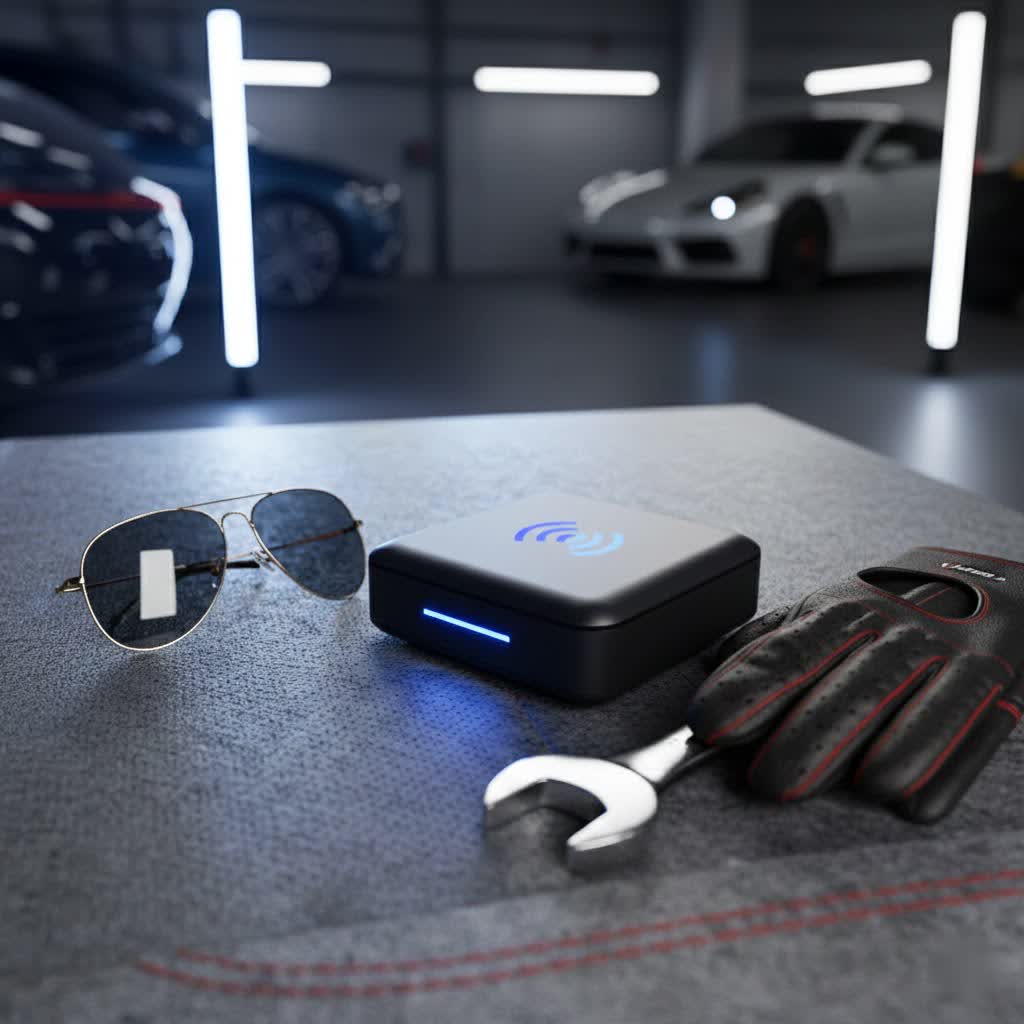
This guide will demystify what Qi certification means, explain why it’s crucial for your devices and peace of mind, explore the latest advancements like Qi2, and equip you with the knowledge to select the perfect certified wireless charging solution for your lifestyle.
What is a Qi Certified Wireless Charger and How Does It Work?
At its core, a Qi certified wireless charger is a device that adheres to the global wireless charging standard established by the Wireless Power Consortium (WPC). Pronounced “chee,” Qi is not an acronym but a concept drawn from traditional Chinese philosophy, meaning “vital energy flow.” This standard ensures that products are not just “compatible” but have undergone rigorous, independent laboratory testing for safety, interoperability, and energy efficiency.
The fundamental principle behind Qi wireless charging is electromagnetic induction. Inside every Qi charger (transmitter) and compatible device (receiver) are coils. When you place your device on the charging pad, an alternating current flows through the charger’s coil, creating an oscillating magnetic field. This field then induces an electrical current in the receiving coil of your device, which is then converted into direct current to charge its battery. This elegant, cable-free transfer of energy is what makes wireless charging so appealing.
It’s vital to distinguish between a “Qi Certified” product and those merely labeled “Qi compatible” or “Works with Qi.” Only certified products have passed the WPC’s stringent tests, guaranteeing they meet essential standards. Uncertified products, while they might charge your device, often lack crucial safety features and may not offer reliable performance or universal compatibility.
The Evolution of Wireless Charging: Understanding Qi and Qi2
The Qi standard has continuously evolved since its inception in 2010 to meet the demands of modern technology and user experience. While the foundational principles remain, significant advancements have been made, most notably with the introduction of Qi2.
Qi2 represents the next generation of wireless charging, bringing several key improvements. The most prominent feature is the integration of Magnetic Power Profile (MPP), often likened to Apple’s MagSafe technology. This magnetic alignment system ensures perfect coil-to-coil contact between the charger and the device every time. Why does this matter? Optimal alignment translates directly to faster, more efficient charging with minimal energy loss and reduced heat generation.
Beyond alignment, Qi2 also boosts power capabilities. While earlier Qi versions typically offered 5W or 7.5W, Qi2 enables 15W fast wireless charging as a standard, with some advancements pushing towards 25W or even 50W for specific high-performance devices and chargers. This means your devices power up significantly quicker, reducing waiting times. The enhanced communication protocols within Qi2 also provide even more reliable protection against overheating and overcharging, ensuring a safer and more robust charging experience.
Why Choose a Qi Certified Wireless Charger? Key Benefits
Opting for a Qi Certified Wireless Charger isn’t just about convenience; it’s about investing in a superior and safer charging experience. Here’s why certification truly matters:
- Enhanced Safety: This is perhaps the most critical benefit. Qi Certified chargers are engineered with multiple safety mechanisms to protect both your device and your surroundings. They include Foreign Object Detection (FOD), which prevents power transfer if metal objects (like keys or coins) are placed on the pad, eliminating potential heating hazards. They also feature temperature control to prevent overheating and overcharge protection to safeguard your device’s battery health. “Uncertified chargers can sometimes reach temperatures high enough to cause third-degree burns,” warns Dr. Anya Sharma, a leading electrical safety engineer. “Qi certification is your assurance against these risks.”
- Universal Compatibility: One of the greatest frustrations with electronics is incompatible accessories. Qi certification ensures seamless interoperability. Any Qi Certified device will work with any Qi Certified charger, regardless of the brand or manufacturer. This means your new smartphone, your older earbuds, and your friend’s tablet can all be charged on the same pad, simplifying your tech ecosystem.
- Optimized Performance and Efficiency: Because certified chargers adhere to strict power transfer guidelines, they deliver consistent and efficient power. This means your device charges at its optimal speed without wasting energy or generating excessive heat, which can prolong the lifespan of your device’s battery.
- Durability and Device Longevity: Repeatedly plugging and unplugging cables can cause wear and tear on your device’s charging port over time. Wireless charging eliminates this mechanical stress, potentially extending the lifespan of your phone or tablet’s charging interface.
- Peace of Mind: When you see the official Qi logo, you know the product has passed rigorous tests by independent labs. This stamp of approval from the Wireless Power Consortium signals trust and reliability, allowing you to charge your valuable devices without worry.
Types of Qi Certified Wireless Chargers and Their Features
The market offers a diverse range of Qi Certified wireless chargers, designed to fit various needs and aesthetics. Understanding the different types and their features can help you make an informed choice.
By Design:
- Charging Pads: These are flat surfaces where you place your device. They can be single-device pads or multi-device pads capable of charging a phone, smartwatch, and earbuds simultaneously. Many are sleek and minimalist, blending seamlessly into any environment.
- Charging Stands: Ideal for desks or nightstands, these chargers hold your phone upright. This allows you to view notifications, make video calls, or watch media while your device charges, often supporting both portrait and landscape orientations. Qi2 stands with magnetic alignment ensure your phone “snaps” into the perfect charging position.
- Car Chargers: Integrated into car mounts or dashboard pads, these provide convenient charging on the go, often preventing interference with other vehicle electronics like key fobs or navigation systems.
- Integrated Solutions: Some furniture, lamps, or office accessories now come with hidden Qi charging coils built directly into their surfaces, offering a truly seamless charging experience.
- Wireless Power Banks: These portable battery packs incorporate Qi coils, allowing you to wirelessly charge your device even when away from an outlet. Many also include traditional USB ports for wired charging versatility.
|
Our Picks for the Best Wireless Charger in 2026
As an Amazon Associate I earn from qualifying purchases.
|
||
| Num | Product | Action |
|---|---|---|
| 1 | TOZO 2025 W1 New Anti-Slip Wireless Charger 15W Max Fast Wireless Charging Pad Compatible with iPhone 17/16/16 Plus/16 Pro Max /15/14/13/SE Series, Samsung Galaxy S25/S24/S23 Series, Black |

|
| 2 | MagSafe Charger Stand 15W Magnetic Wireless Charger for iPhone 17/Air/16/15/14/13/12 Series (Onyx Black) |
|
| 3 | Samsung Galaxy S25 Ultra Wireless Charging Pad for Galaxy S25 S24 S23 S22 S21 S20 Ultra FE Z Fold Flip 7 6,15W Magnetic Wireless Magsafe Charger Station for iPhone 17 16 15 14 Pro Max Plus |
|
| 4 | Fast Wireless Charger, NANAMI 15W Qi Certified Wireless Charging Stand Compatible iPhone 17/17 Air/16/15/15 Pro/15 Plus/15 Pro Max/14/13/12, for Samsung Galaxy S25/S24/S23/S22/S21 and Qi-Enabled Phone |
|
| 5 | Yootech Wireless Charger,10W Max Wireless Charging Pad Compatible with iPhone 17/17 Pro/17 Pro Max/Air/16/15/14/13/SE 2022/12/11,Samsung Galaxy S25/S24/S23,for AirPods Pro 3(No AC Adapter) |
|
| 6 | TRKOY for Magsafe Portable Charger, 5000mAh Wireless Magnetic Power Bank with USB C Charging,Travel Essential for Magsafe Battery Pack Compatible with iPhone 17/16/15/14/13/12 Series, White |
|
| 7 | INIU Wireless Charger, 15W Fast Qi Certified Wireless Charging Station with Sleep-Friendly Adaptive Light Compatible with iPhone 17 16 15 14 13 12 Pro Max Samsung Galaxy S25 S24 S23 Note 20 Google etc |
|
| 8 | Apple MagSafe Charger (1 m): Wireless Charger with Fast-Charging Capability |
|
| 9 | 3 in 1 Charging Station for iPhone, Wireless Charger for iPhone 17 16e 16 15 14 13 12 11 X Pro Max & Apple Watch - Wireless Charging Station for AirPods 4 3 Pro |
|
| 10 | LỖI |
|
By Power Output:
Qi Certified chargers come in various power outputs, influencing charging speed:
- 5W: Standard charging, suitable for overnight charging or smaller devices.
- 7.5W: Common for iPhones, offering faster charging than 5W.
- 10W: A popular fast-charging option for many Android devices.
- 15W: The new standard for Qi2, offering significantly faster charging, especially with magnetic alignment.
- 25W and Higher: Emerging with the latest Qi2 (version 2.2) standards for compatible devices like tablets and laptops, enabling very fast power delivery.
Look for chargers that offer an output matching or exceeding your device’s maximum wireless charging input for the fastest speeds. For example, if your phone supports 15W wireless charging, pair it with a 15W Qi2 certified charger.
How to Choose the Right Qi Certified Wireless Charger
Selecting the perfect Qi Certified wireless charger involves considering your specific needs and verifying the product’s legitimacy.
1. Determine Your Usage Needs
- Which devices do you need to charge? A single phone, or multiple devices like a phone, smartwatch, and earbuds? This will guide you towards single, dual, or multi-device chargers.
- Where will you use it? A desk stand for work, a flat pad for your nightstand, an integrated car charger, or a portable power bank for travel?
- How fast do you need it to charge? If speed is a priority, look for 15W Qi2 chargers. For overnight charging, a 7.5W or 10W model might suffice.
2. Verify Official Qi Certification
Don’t be fooled by misleading labels. Always look for the official Qi logo on the product packaging or the device itself. To be absolutely sure, you can:
- Check the WPC Product Database: The Wireless Power Consortium maintains a comprehensive, searchable online database of all officially Qi Certified products. Search for the brand and model number of the charger you’re considering.
- Ask the Manufacturer: Reputable manufacturers should readily provide their Qi Certificate of Registration if asked.
3. Consider Power Output and Device Compatibility
Ensure the charger’s wattage aligns with your device’s wireless charging capabilities. While a higher wattage charger won’t harm a device that only supports lower wattage (it will simply charge at the device’s maximum supported rate), a lower wattage charger will result in slower charging. Also, confirm your specific phone model supports Qi wireless charging; most modern smartphones from Apple (iPhone 8 onwards) and major Android manufacturers do.
4. Evaluate Brand Reputation and Reviews
Stick to well-known brands recognized for quality and reliability in the wireless charging space, such as Anker, Belkin, Samsung, and ESR. Reading user reviews can provide valuable insights into real-world performance, durability, and customer satisfaction.
5. Balance Features with Your Budget
Qi Certified wireless chargers come at various price points. Identify the essential features you need (e.g., magnetic alignment, multi-device charging, specific wattage) and compare prices to find the best value without compromising on safety and certification.
Tips for Safe and Efficient Qi Wireless Charging
Once you have your Qi Certified wireless charger, follow these simple tips to ensure a safe and optimal charging experience:
- Proper Placement is Key: For non-magnetic chargers, ensure your device is centered on the charging pad to maximize efficiency. Qi2 chargers with magnetic alignment will guide your device to the perfect spot automatically.
- Remove Foreign Objects: Always ensure there are no metal objects, credit cards, or thick pop sockets between your device and the charging surface, as these can interfere with charging and cause heat buildup.
- Use the Right Power Adapter: Always use the power adapter and cable provided with your Qi charger, or another certified adapter with sufficient wattage. Using an underpowered adapter can lead to slow charging or no charging at all.
- Ensure Proper Ventilation: Place your wireless charger on a hard, flat surface where it has adequate airflow. Avoid placing it on soft furnishings that can trap heat.
- Check Your Phone Case: While many modern phone cases are designed to be wireless charging friendly, extremely thick cases or those with metallic components can hinder charging efficiency. If you experience slow charging, try removing your case.
- Keep it Clean: Periodically wipe your charging pad to remove dust and debris that could interfere with power transfer or cause minor overheating.
Conclusion
Embracing a Qi Certified wireless charger is more than just choosing a convenient accessory; it’s a decision to prioritize safety, reliability, and optimal performance for your valuable devices. The rigorous testing and adherence to global standards set by the Wireless Power Consortium provide an unparalleled level of trust and seamless interoperability. With the advent of Qi2, the wireless charging experience has become even faster, more efficient, and magnetically satisfying.
By understanding the benefits of certification, the evolution of the technology, and how to choose and use these devices correctly, you can confidently integrate the power of cable-free charging into your daily life. Make the smart choice – always look for that official Qi logo. What innovations in wireless charging are you most excited to see next?
Frequently Asked Questions
What does the “Qi” in Qi Certified Wireless Charger stand for?
The “Qi” in Qi Certified Wireless Charger doesn’t stand for an acronym. It’s a term from traditional Chinese philosophy pronounced “chee,” meaning “vital energy flow.” This name reflects the concept of effortless energy transfer between devices, symbolizing the core function of wireless charging technology.
Can I use a non-Qi certified charger with my Qi-enabled phone?
While a non-Qi certified charger might technically charge your Qi-enabled phone, it’s strongly discouraged. These products have not undergone the rigorous safety and interoperability tests of the Wireless Power Consortium, potentially leading to risks such as overheating, inefficient charging, damage to your device’s battery, or even fire hazards.
Is Qi2 backward compatible with older Qi devices?
Yes, Qi2 is designed to be largely backward compatible with older Qi-enabled devices. While you won’t get the magnetic alignment or the full 15W (or higher) fast charging speeds of a Qi2 device, an older Qi device will still charge on a Qi2 certified charger, typically at its maximum supported Qi (non-magnetic) speed.
How fast is Qi charging compared to wired charging?
Qi charging speeds have significantly improved, especially with Qi2 offering 15W as a standard for many devices, and even faster rates up to 25W or 50W for specific compatible devices with Qi 2.2. While wired charging often still holds an edge for maximum speed, 15W wireless charging is quite fast for daily use, providing a substantial power boost in a short amount of time, rivaling many standard wired chargers.
